Short answer: yes. If you've ever noticed yellow patches or dead spots in your yard where your dog spends the most time, that's not a coincidence — and it's not really about the mess. There's a straightforward chemical reason behind it.
The Nitrogen Problem
According to McGill University's Office for Science and Society, the damage comes down to nitrogen concentration. Dog urine and waste are high in nitrogen compounds — the same nutrient that's the main ingredient in commercial lawn fertilizer. In small, spread-out amounts, nitrogen actually helps grass grow, which is why you'll sometimes see a ring of extra-green grass around a yellow dead patch. But when it's concentrated in one spot, it burns the grass instead of feeding it.
A few things make the damage worse:
- Larger dogs produce more waste and more concentrated nitrogen per spot.
- Female dogs tend to squat in one place, concentrating urine, while males often spray over a wider area — which is part of why female dogs are more often blamed for lawn burn.
- High-protein diets increase the nitrogen content of both urine and waste, since protein breaks down into nitrogen compounds.
It's Not Just Urine — Feces Plays a Role Too
Solid waste left on the lawn adds its own problems on top of the nitrogen issue. It smothers grass underneath it, blocking light and airflow to the blades below. As it breaks down, it also releases concentrated nutrients directly into that one spot of soil — similar to the urine problem, but slower and messier. The longer it sits, the more time it has to do damage, which is one more reason routine pickup matters more than an occasional deep clean.
Signs Your Lawn Has Waste Damage
- Yellow or brown patches, often circular, in areas your dog frequents
- A ring of unusually dark green, overgrown grass surrounding a dead center spot
- Bare or thinning patches near fence lines and corners — common “patrol routes” for dogs
- Grass that feels coarse or different in texture in specific zones of the yard
How to Protect Your Lawn
The single most effective thing you can do is keep waste from sitting on the grass for extended periods — both solid waste and, where possible, diluting urine spots with a quick rinse of water after your dog goes. Beyond that:
- Stick to a consistent pickup schedule (see our guide on how often to schedule cleanups) rather than letting it build up between occasional deep cleans
- Reseed already-damaged patches once waste has been cleared, since burned grass typically won't recover on its own
- Consider rotating where your dog spends the most time, if your yard layout allows it
What Regular Pickup Actually Looks Like
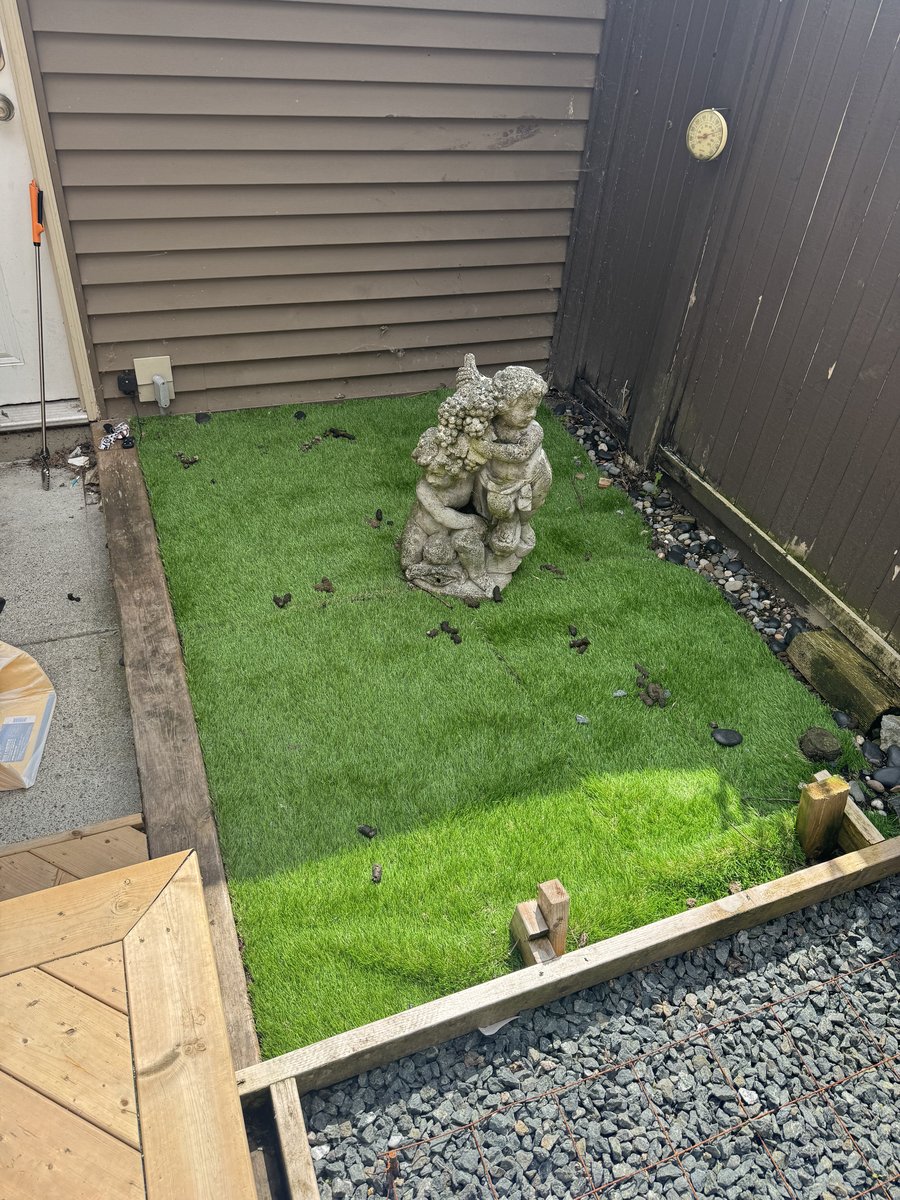
The difference between a yard with a backlog and a yard on a consistent schedule is significant — not just visually, but for the health of the grass underneath. A single missed week won't ruin your lawn, but weeks or months of buildup compound the nitrogen and smothering effects described above. That's the whole idea behind a recurring service: it keeps your yard in the “light, spread-out exposure” zone where grass tolerates nitrogen fine, instead of the “concentrated buildup” zone where it doesn't.