Dog waste isn't just an eyesore. It's classified as a pollutant, and it can carry parasites and bacteria that pose real risks to people and other pets — especially when it's allowed to sit in a yard where kids play or other animals roam. Here's what's actually in it, and what reduces the risk.
What's Actually in Dog Waste
A single gram of dog waste can contain millions of E. coli bacteria, along with a range of other organisms depending on the individual dog's health. Some of the most common concerns include:
- Roundworms (Toxocara). According to the CDC, roundworm eggs are carried in animal feces and can enter the body through contaminated dirt or unwashed hands. Eggs can survive in soil for a long time, making yards a persistent source of exposure if waste isn't cleared.
- Giardia. A parasite that causes gastrointestinal illness in both humans and pets, spread through contact with contaminated soil or water.
- Salmonella and Campylobacter. Bacteria that can cause food-poisoning-like symptoms if ingested, typically through hand-to-mouth contact after touching contaminated ground.
- Tapeworms. Can pass between pets that share yard space, and in rare cases to humans.
Why Kids Are Especially at Risk
The CDC specifically calls out young children as a higher-risk group for roundworm infection, noting that severe cases are more common in kids who play in or accidentally ingest contaminated dirt — not an unusual scenario in a backyard with sandboxes, digging, or grass-level play. Most infections are mild or symptom-free, but the CDC's core prevention advice is straightforward: pick up pet waste promptly, keep pets dewormed by a vet, and reinforce handwashing after outdoor play and before eating.
Risks to Other Pets
It's not just about people. Parasites like roundworms, hookworms, and Giardia spread easily between dogs that share the same outdoor space, including in multi-dog households, shared strata courtyards, or dog parks. A yard that isn't cleaned regularly can become a reinfection loop even for pets that are otherwise healthy and up to date on treatment.
It Doesn't Stay Contained to Your Yard
The EPA identifies pet waste as one of the leading sources of nutrient and bacteria pollution in urban streams and waterways. When it rains — which, in the Lower Mainland, is often — uncollected waste on the ground gets carried by runoff into storm drains and eventually local creeks and rivers, rather than being treated like sewage. It's a bigger-picture reason routine pickup matters beyond just your own yard.
Simple Habits That Reduce Risk
- Pick up waste promptly and consistently, rather than letting it accumulate (see how often to schedule cleanups)
- Wash hands after yard time, gardening, or handling anything that touched the ground outdoors — especially before eating
- Keep pets on a regular deworming schedule with your vet
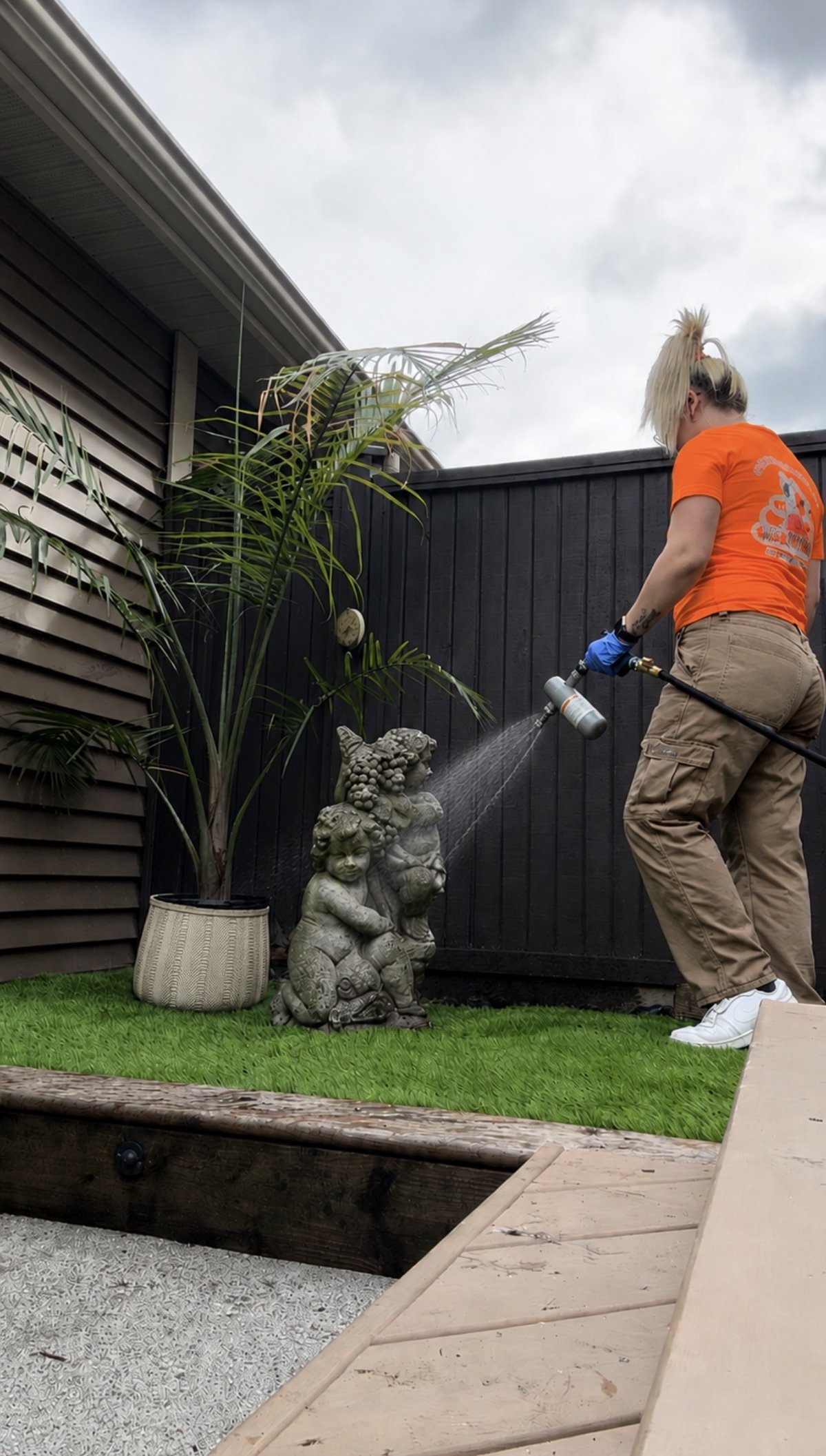
- Consider a periodic sanitizing treatment for high-traffic areas of the yard, on top of routine pickup
None of this is meant to be alarming — most dogs and their owners never have an issue. It's simply why “out of sight” isn't the same as “handled,” and why a consistent pickup routine is worth prioritizing, not just for a tidy-looking yard but for the people and pets using it.